In Florida, property owners have a legal responsibility to keep their premises reasonably safe for visitors. But when a dangerous condition is ignored—such as broken flooring, poor lighting, loose handrails, unsafe stairways, or unaddressed leaks—the consequences can be severe. A single hazard can trigger a chain reaction: a slip, trip, or fall, a serious injury, expensive medical treatment, missed work, and long-term pain.
This article explains how premises liability in Florida works when a hazardous condition leads to personal injury and property damage, what evidence strengthens a claim, and what steps to take after an accident. Whether you were injured at an apartment complex, store, hotel, restaurant, parking lot, or private residence, understanding your rights is essential.
Understanding Premises Liability in Florida
Florida premises liability law is built on a simple concept: if a property owner (or party responsible for maintaining a property) fails to keep an area safe—and someone gets hurt—they may be financially responsible.
What qualifies as a “dangerous condition”?
A dangerous condition generally includes a hazard that creates an unreasonable risk of harm, such as:
-
Wet floors without warning signs
-
Uneven sidewalks or cracked pavement
-
Torn carpeting or loose floor mats
-
Poor lighting in hallways or stairwells
-
Broken stairs, railings, or handrails
-
Debris in walkways
-
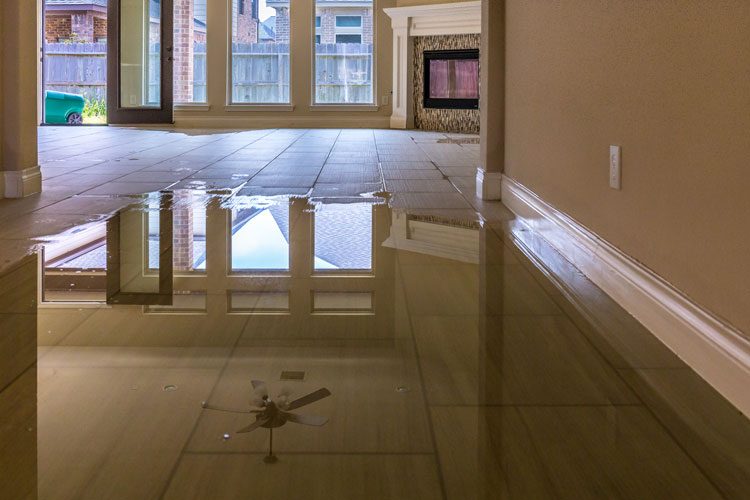
Ceiling leaks creating puddles
-
Unsafe shelving or falling merchandise
These hazards can occur anywhere—from commercial businesses to residential communities.
The role of visitor status
Florida law considers why you were on the property, and your classification may affect the duty owed to you:
-
Invitees: customers, patrons, clients, guests at businesses
-
Licensees: social guests invited to a private property
-
Trespassers: those entering without permission (exceptions exist)
Most injury cases involve invitees or licensees, because property owners owe them a stronger duty of care.
How Property Damage Can Be Connected to Personal Injury
Premises claims often involve both injury and damage to personal property. For example, if a water leak causes a fall and also ruins a phone, laptop, or mobility device, the property owner’s negligence may have caused both losses.
Common examples of property damage after a dangerous condition incident
-
Broken phones, laptops, tablets from a fall
-
Damaged glasses, hearing aids, or medical devices
-
Vehicle damage from unsafe parking lot conditions
-
Destroyed clothing or personal items from chemicals, flooding, or debris
While personal injury damages tend to be the largest part of a claim, property damage still matters—especially when expensive equipment is involved.
Key Elements of a Premises Liability Claim
To succeed in a premises liability in Florida claim, the injured person typically must show:
1) A dangerous condition existed
The hazard must be real, identifiable, and unreasonably unsafe.
2) The responsible party knew or should have known
This is a central issue in many cases. You must usually prove:
-
Actual notice: they knew the hazard existed
or -
Constructive notice: they should have known because it existed long enough or happened repeatedly
3) Failure to fix or warn
Property owners must repair hazards within a reasonable timeframe or warn visitors clearly.
4) The hazard caused the injury
There must be a direct link between the unsafe condition and your harm.
5) Measurable damages occurred
This can include medical bills, lost wages, pain and suffering, future treatment, and more.
High-Risk Property Locations in Florida
While a dangerous condition can happen anywhere, certain environments show up frequently in claims.
Retail stores and shopping centers
Busy businesses often have spills, stacked products, and constantly changing floor conditions. Slips near entrances during rainy weather are especially common.
Apartment complexes and condos
Landlords and property managers may be responsible for maintaining common areas like stairwells, walkways, parking lots, and pool decks.
Hotels and resorts
Hotels must handle high foot traffic safely. Broken steps, wet tile floors, and poorly lit paths are frequent risk areas.
Restaurants and bars
Food and drink spills, crowded walkways, and bathroom hazards can quickly create unsafe conditions if not addressed immediately.
What to Do After an Injury on Someone Else’s Property
If you are hurt on another person’s property, what you do in the first few hours can significantly affect your claim.
Immediate action steps
-
Seek medical attention immediately (even if you think you’re “okay”)
-
Report the incident to the business manager, property owner, or security
-
Take photos and video of the hazard, lighting, area, and surroundings
-
Collect witness contact info
-
Preserve damaged property (shoes, clothing, broken device, etc.)
-
Avoid detailed statements until you’ve spoken to counsel
Also, do not assume the property owner has preserved video footage. In many cases, surveillance can be deleted quickly if not requested properly.
Damages Available in Florida Premises Injury Cases
Compensation can extend beyond emergency room visits. Depending on the severity of injury, damages may include:
Economic damages
-
Hospital and medical bills
-
Future medical treatment
-
Rehabilitation or physical therapy
-
Lost wages and reduced earning capacity
-
Out-of-pocket expenses
Non-economic damages
-
Pain and suffering
-
Emotional distress
-
Loss of enjoyment of life
-
Long-term limitations or disability impact
In serious injury cases involving surgeries, fractures, spinal injuries, or head trauma, damages may be substantial because the cost of long-term care and lost income increases dramatically.
Comparative Negligence: Can You Still Recover Compensation?
Yes—often you still can.
Florida follows a modified comparative negligence system. That means compensation may be reduced by your percentage of fault. Property owners and insurers often try to argue:
-
“You weren’t watching where you were going.”
-
“The hazard was obvious.”
-
“You should have avoided it.”
This is why documentation, medical records, and witness testimony can be critical—especially in premises liability in Florida claims where fault is disputed.
Frequently Asked Questions
1) What is premises liability in Florida?
Premises liability in Florida refers to the legal responsibility of property owners or managers to maintain safe conditions and protect visitors from preventable hazards.
2) What if there was no warning sign for a spill?
If a hazard like a spill or leak existed without a warning sign—and the owner knew or should have known about it—that can strengthen a claim.
3) How long do I have to file a premises liability claim in Florida?
Time limits depend on the facts of the case and the type of claim involved. Speaking with an attorney quickly helps avoid missing important legal deadlines.
4) Can I get compensation for both injury and property damage?
Yes. If the dangerous condition caused bodily injury and damaged personal property (like a phone or glasses), both may be included in the same claim.