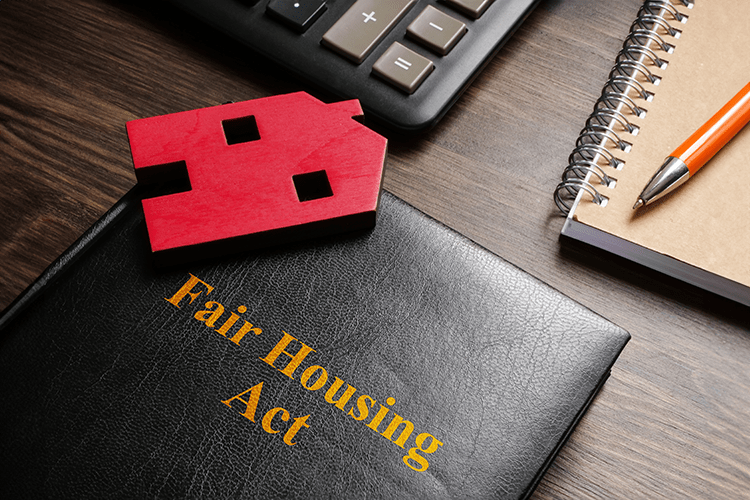
Understanding reasonable accommodation denials is critical for tenants who rely on fair housing protections to secure safe and accessible living conditions. When landlords refuse legitimate accommodation requests, they may be violating federal and state housing laws. These denials can create unnecessary hardship, especially for individuals with disabilities, and knowing your rights is the first step toward holding property owners accountable.
What Are Reasonable Accommodation Denials?
Reasonable accommodation denials occur when a landlord refuses to make necessary changes to rules, policies, or services that would allow a tenant with a disability equal use and enjoyment of a property. Under the Fair Housing Act, landlords are legally obligated to consider and approve reasonable requests unless they create undue financial or administrative burdens.
Common Examples of Accommodation Requests
Tenants may request accommodations such as allowing service animals in no-pet housing, assigning accessible parking, or modifying lease policies to accommodate medical needs. When these requests are denied without valid justification, it can constitute unlawful discrimination.
When Do Reasonable Accommodation Denials Break the Law?
Not every denial is illegal, but many are. A landlord crosses the legal line when they refuse a request that is reasonable, necessary, and directly related to a tenant’s disability. Courts typically evaluate whether the accommodation imposes an undue burden or fundamentally alters the nature of the housing provider’s operations.
Key Indicators of Illegal Denials
- Failure to engage in an interactive process: Landlords must communicate and evaluate requests in good faith.
- Unjustified refusal: Denials without clear, lawful reasoning may violate fair housing protections.
- Excessive documentation demands: Requesting unnecessary or intrusive medical details can be unlawful.
- Retaliation or harassment: Penalizing tenants for requesting accommodations is strictly prohibited.
Legal Protections Against Discrimination
Federal law, particularly the Fair Housing Act, protects tenants from discrimination based on disability. Many states and municipalities provide additional safeguards that further strengthen tenant rights. If a landlord denies a reasonable accommodation improperly, tenants may have grounds to file complaints or pursue legal action.
How the Law Applies in Practice
Landlords must assess each request individually and cannot apply blanket policies that ignore specific tenant needs. For example, denying all service animals due to a no-pet policy is generally unlawful. Instead, landlords must evaluate whether the animal serves a legitimate need related to a disability.
Steps to Take After a Denial
If you experience reasonable accommodation denials, taking prompt and strategic action is essential. Documentation and understanding your rights can significantly impact the outcome of your case.
- Document everything: Keep records of your request, communication, and the landlord’s response.
- Submit a written follow-up: Clarify your request and provide supporting documentation if needed.
- File a complaint: You can report violations to HUD or your local housing authority.
- Seek legal counsel: An experienced attorney can evaluate your case and pursue compensation if applicable.
How Legal Representation Strengthens Your Case
Navigating reasonable accommodation denials can be complex, especially when landlords attempt to justify their actions with vague or misleading reasoning. Legal professionals understand the nuances of housing law and can identify violations that tenants might overlook.
Key Legal Advantages
Attorneys can gather evidence, negotiate with landlords, and represent clients in court if necessary. They can also ensure compliance with filing deadlines and procedural requirements, which are critical in fair housing cases.
Internal Resources for Tenants
To better understand your rights and legal options, explore the following resources:
Property Claim Law Firm Home
Legal Blog Resources
Practice Areas Overview
Contact Legal Experts
Why Reasonable Accommodation Denials Matter
Reasonable accommodation denials are not just administrative issues—they can directly impact a tenant’s health, safety, and quality of life. Denying access to necessary modifications or exceptions can create barriers that prevent individuals from living independently and securely.
Long-Term Consequences
Tenants who face unlawful denials may experience financial strain, emotional distress, or forced relocation. These outcomes underscore the importance of enforcing fair housing laws and holding landlords accountable for discriminatory practices.
How Mineo Salcedo Law Firm Can Help
Mineo Salcedo Law Firm is experienced in handling cases involving reasonable accommodation denials and tenant rights violations. Their legal team understands the complexities of housing discrimination laws and works diligently to protect clients from unlawful landlord practices. Whether you are facing a denied request or need guidance on your legal options, their firm provides strategic representation to help you secure the accommodations you deserve.
Frequently Asked Questions
What qualifies as a reasonable accommodation in housing?
A reasonable accommodation is a change in rules or policies that allows a person with a disability equal access to housing, as long as it does not impose an undue burden on the landlord.
Can a landlord ask for proof of a disability?
Yes, but only limited verification is allowed. Landlords cannot demand detailed medical records or intrusive information beyond confirming the need for the accommodation.
What should I do if my accommodation request is denied?
You should document the denial, follow up in writing, and consider filing a complaint or consulting an attorney to evaluate whether your rights were violated.
Is denying a service animal request illegal?
In many cases, yes. Service animals are generally protected under fair housing laws, even in properties with no-pet policies, provided they are necessary for a disability.