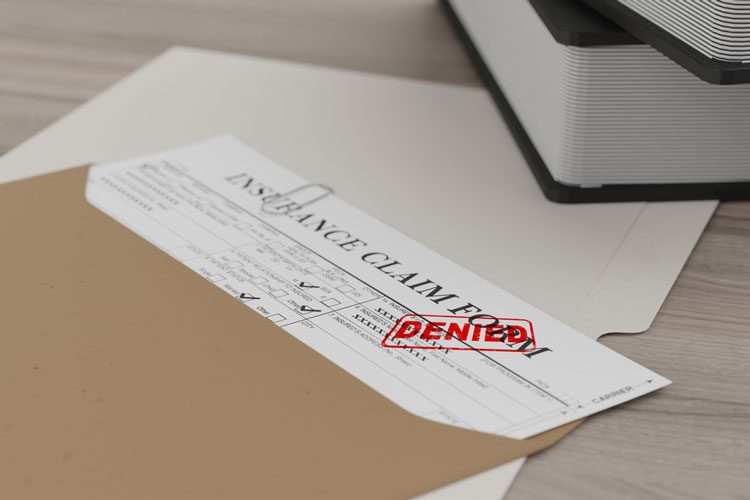
Businesses across Florida face growing risks related to compliance with the Americans with Disabilities Act (ADA). What many owners don’t realize is that ADA lawsuits—especially those related to accessibility barriers, discrimination claims, or noncompliant facilities—often fall outside the protection of standard commercial liability insurance. When a claim is filed, the financial impact can escalate quickly, leaving businesses exposed to legal fees, settlement costs, and required remediation work.
At The Mineo Salcedo Law Firm, we help business owners understand how ADA compliance affects their insurance coverage and what steps they can take to reduce risk before a costly lawsuit occurs.
Understanding ADA Violations and Why They Happen
ADA violations occur when a business fails to provide equal access or accommodation to individuals with disabilities. These violations may involve physical barriers—such as noncompliant ramps, narrow doorways, improper signage, or inaccessible restrooms—or procedural issues like inadequate policies, refusal of service, or lack of website accessibility for visually impaired users.
Because many ADA requirements are technical and evolve over time, even well-intentioned businesses can unknowingly fall out of compliance. Unfortunately, courts generally do not accept lack of awareness as a defense.
Do Insurance Policies Cover ADA Violations? Not Always.
This is where confusion—and financial risk—often begins.
1. General Liability Policies Do Not Cover Compliance Costs
Commercial General Liability (CGL) policies typically cover bodily injury, property damage, or certain personal injury claims. However, ADA lawsuits usually revolve around compliance failures, not injuries. Insurance providers classify ADA remediation as a business responsibility, not an insurable accident.
That means:
-
Insurance does not pay to bring your property into ADA compliance.
-
Insurance does not cover penalties, fines, or statutory damages.
-
Insurance does not reimburse the cost of hiring ADA consultants, architects, or contractors.
Many business owners learn this only after a lawsuit has already been filed.
2. Defense Costs May Be Partially Covered—But Not Guaranteed
Some insurance policies offer limited coverage for legal defense if the claim involves allegations tied to other covered issues. However, this is often conditional and comes with strict exclusions.
Insurers frequently deny ADA-related claims because:
-
Violations are considered intentional acts, not accidents.
-
The business “knew or should have known” about compliance requirements.
-
ADA claims do not fall under bodily injury or property damage categories.
Even when defense coverage applies, it is usually capped and does not include the cost of making required ADA improvements.
3. Employment Practices Liability Insurance (EPLI) Offers Narrow Protection
If an ADA claim involves employee discrimination, wrongful termination, or failure to accommodate workers, an EPLI policy may offer some protection. However:
-
EPLI does not cover accessibility modifications.
-
EPLI often excludes claims brought under Title III (public accommodations).
-
EPLI still may not apply if the business failed to implement reasonable policies.
In short, EPLI is helpful but not a full solution for ADA-related legal exposure.
Where Businesses Face the Greatest Hidden Risk
The largest financial burden of ADA violations comes after the lawsuit. Once a business is found noncompliant, it must correct every barrier identified—sometimes across the entire property. Remodeling costs, professional inspections, ongoing monitoring, and attorney fees can accumulate rapidly.
For Florida businesses, serial ADA litigants are also a growing concern. Many lawsuits are filed not because someone was harmed, but because the law allows plaintiffs to enforce compliance. This makes proactive ADA planning essential.
How The Mineo Salcedo Law Firm Helps Businesses Reduce ADA Liability
Creating a legally compliant environment is one of the best investments a business can make. We help owners understand their obligations, identify risks, and implement the corrective steps needed to avoid lawsuits.
Our services include:
-
ADA compliance reviews for properties and websites
-
Legal risk assessments for insurance gaps
-
Defense representation for ADA claims
-
Guidance on remediation strategies
-
Support with policy creation and staff training
By identifying vulnerabilities early, businesses can prevent expensive litigation and protect their long-term operations.
Steps Businesses Can Take Now to Improve Compliance
1. Conduct an ADA Accessibility Audit
A legal or architectural review helps identify barriers before a lawsuit occurs.
2. Update Policies and Staff Training
Employees must follow ADA standards for interactions, accommodations, and procedural requirements.
3. Review Your Insurance Policies Carefully
Work with an attorney to understand what is actually covered—and what is not.
4. Document Every Corrective Measure
Proper documentation helps demonstrate good-faith compliance efforts if a claim arises.
The Mineo Salcedo Law Firm
ADA compliance is more than a regulatory requirement—it is a financial safeguard. Since insurance coverage often provides limited or no protection against ADA claims, taking proactive steps now can save a business from costly litigation later. The Mineo Salcedo Law Firm is committed to helping Florida businesses navigate these risks with clarity and confidence. Call 954-463-8100
Frequently Asked Questions
1. Does my general liability insurance cover ADA lawsuits?
Typically, no. Most general liability policies exclude compliance-related expenses and ADA penalties.
2. Can insurance pay for ADA renovations or accessibility upgrades?
No. Accessibility improvements are considered a business responsibility and are not covered by insurance.
3. Will business insurance cover legal defense for ADA claims?
Sometimes—but only in limited situations and often with exclusions. Many ADA lawsuits are denied coverage.
4. How can a business prevent ADA-related lawsuits?
Proactive audits, updated policies, staff training, and legal guidance are the most effective prevention methods.